
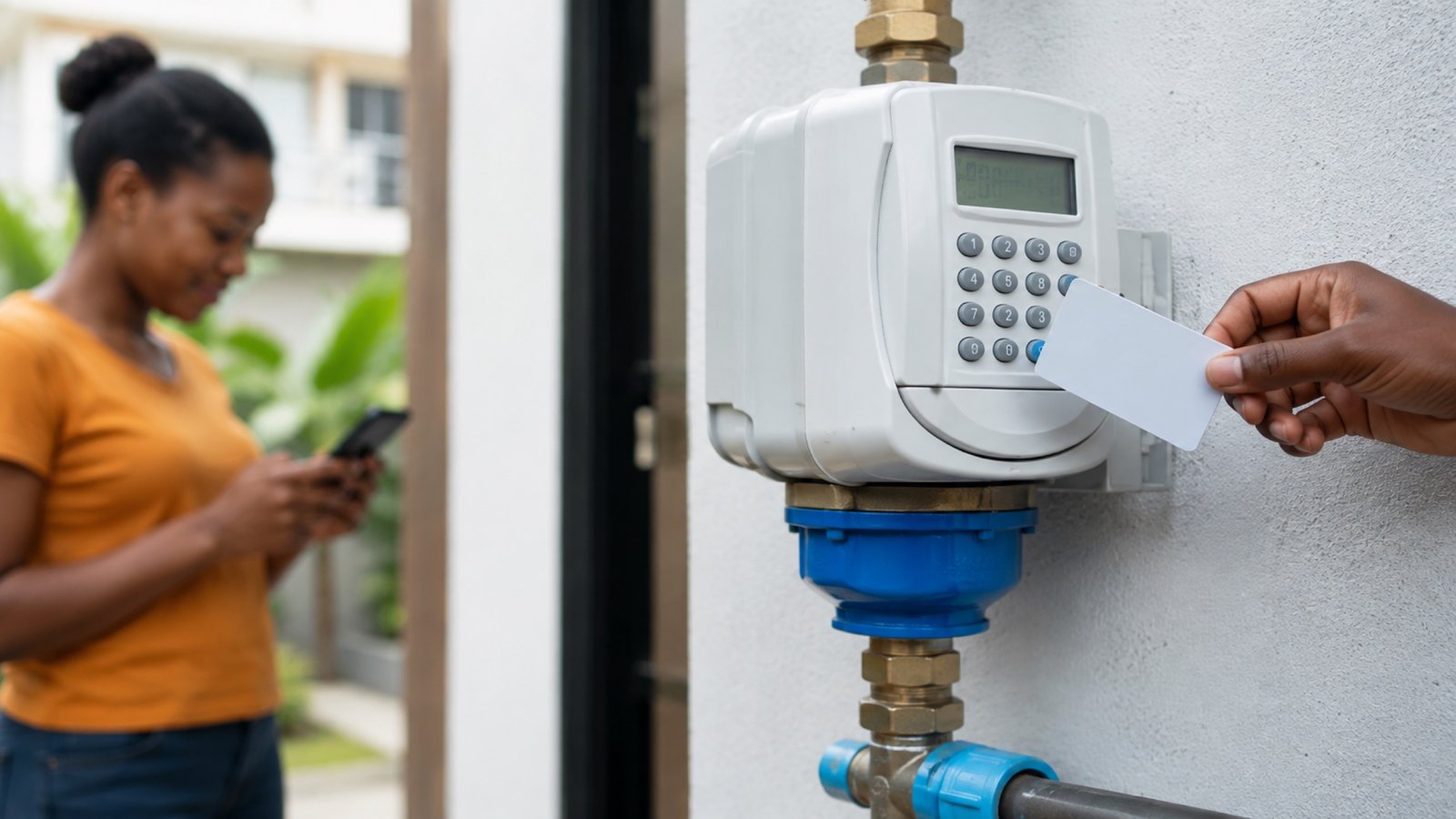
An industrial water flow meter is not simply a larger residential meter. Industrial buyers often need continuous process information, digital output, larger diameters, higher pressure ratings and compatibility with plant-control systems.
Typical Applications
Industrial water flow meters are used in factories, utilities, process-water systems, cooling-water loops, agriculture, commercial buildings, infrastructure, water treatment and pumping stations.
Electromagnetic Technology
Electromagnetic meters are widely used for conductive water-based fluids and can suit process water, treated water, wastewater and utility pipelines.
Ultrasonic Technology
Ultrasonic meters can be inline or clamp-on depending on design. They are useful where moving parts are undesirable or where temporary or non-invasive measurement is needed.
Turbine Technology
Turbine meters can provide good flow measurement for suitable clean liquids, but buyers should consider fluid cleanliness and mechanical wear.
Key Procurement Specifications
Pipe Diameter
Provide the actual nominal diameter and connection standard.
Flow Range
Do not size only from pipe diameter. Provide minimum, normal and peak flow.
Pressure Rating
Confirm operating and maximum pressure.
Temperature
Specify actual fluid temperature.
Fluid Condition
Clean water and process water may have different solids or conductivity.
Accuracy Requirement
A process-monitoring application may have different needs from custody or billing measurement.
Output
Common requirements can include pulse, 4–20 mA, RS485 and Modbus.
Power Supply
Specify whether the project requires battery, DC or AC power.
Environmental Conditions
Outdoor, underground and wash-down locations may require stronger enclosure protection than indoor plant rooms.
Procurement Mistakes
- Choosing by price before technology
- Oversizing
- Ignoring straight-pipe requirements
- Failing to specify output
- Assuming every meter supports every fluid
- Buying without spare-part planning
WMConstr for Industrial Flow Meter Procurement
WMConstr can help B2B buyers compare Chinese manufacturers across electromagnetic, ultrasonic, turbine and other industrial technologies. The sourcing process can also include related valves, fittings, control accessories and shipment consolidation.