
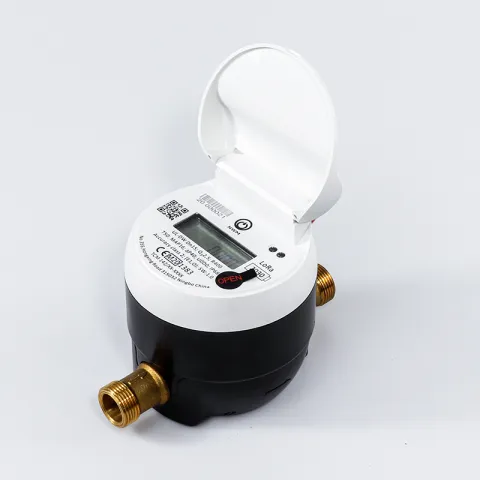
In our modern world, where resource conservation is paramount, water meters play a crucial role in managing water consumption. These unassuming devices are the silent guardians of our water supply, ensuring accurate measurements and promoting responsible usage.
1. Introduction to Water Meters:
Water meters are precision instruments designed to measure the volume of water flowing through a pipeline. They serve both residential and commercial purposes, aiding in billing, leak detection, and overall water management.
2. Types of Water Meters:
There are various types of water meters, including Compound Meters and Ultrasonic Water Meters. Each type utilizes distinct mechanisms to accurately quantify water usage.
3. Compound Meters:
These meters operate by capturing a specific volume of water and then transferring it to a separate chamber. The number of rotations or movements of the meter’s components corresponds directly to the volume of water consumed.
4. Ultrasonic Water Meters:
Ultrasonic flow meters utilize the transit-time differential method technology to function. In this method, a sound wave is sent in the same direction as the flow of the product and another is sent against the flow. The wave traveling with the flow (vAB) moves at a faster rate compared to the one going against the flow (vBA). Continuous measurements are taken for the transit times tAB and tBA.
5.Remote Reading Technology:
Many modern water meters are equipped with remote reading capabilities, allowing utility companies to collect consumption data without physically accessing the meters. This technology enhances efficiency and reduces the need for manual readings.
6.Maintaining Accuracy:
Regular calibration and maintenance are crucial to ensure water meters provide precise measurements. Calibration adjustments may be necessary to account for wear and tear, guaranteeing ongoing accuracy.
7.Leak Detection:
Water meters play a pivotal role in identifying potential leaks. A sudden spike in water consumption may indicate a leak, prompting timely repairs to prevent water wastage and damage.
8.Benefits of Water Metering:
Water metering not only facilitates fair billing but also promotes responsible water usage. Consumers become more aware of their consumption patterns, leading to conscious efforts to conserve water.
9.Conclusion:
In conclusion, water meters are indispensable tools in our quest for sustainable water management. By understanding their mechanisms and embracing the technology behind them, we contribute to the collective effort to conserve one of our planet’s most precious resources.
Incorporating water metering into our daily lives is not just a matter of accurate billing; it is a step towards fostering a culture of water-conscious living that benefits us all and ensures a sustainable future.